
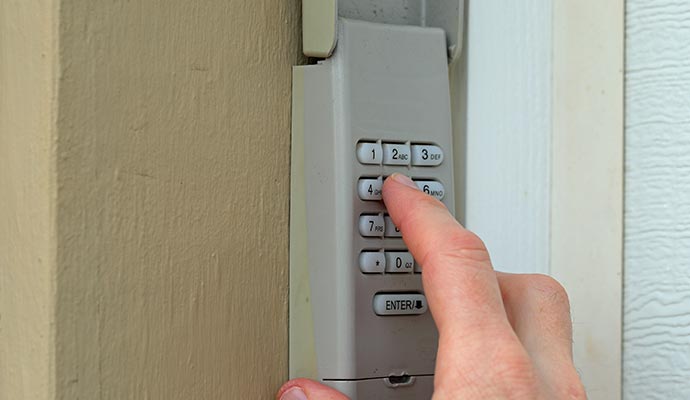
Your Garage Door Keypad Isn't Working — Here's What to Check Before Calling Anyone
Posted by WagMore Garage Doors | Northeast Florida
We hear it all the time: "My keypad just stopped working out of nowhere." Nine times out of ten, it didn't stop working out of nowhere. It stopped working because of a dead battery, a dirty button, or a setting that quietly dropped out. The good news? Most keypad problems are a five-minute fix you can handle yourself.
Here's how to think through it.
904-584-4828
Start With the Battery (Seriously, Start Here)
If your keypad is acting sluggish, unresponsive, or flickering, the battery is almost always the culprit. Most residential keypads run on a single 9-volt battery. Some newer models use AA batteries — check inside the housing to confirm.
A few things people miss:
The battery contact points corrode over time, especially here in Florida where humidity is relentless. When you swap the battery, wipe the metal contacts with a dry cloth or a cotton swab with a tiny bit of rubbing alcohol. A clean contact makes all the difference.
Also, cheap batteries die faster than you'd expect. If you're buying the bargain pack at the dollar store, step up to a name brand. It's not a noticeable cost difference, but the lifespan can be months longer.
How often should you replace it? Roughly once a year as a habit, or whenever you notice the backlight getting dim or button presses requiring more pressure than usual. Don't wait until it's fully dead.
Battery's Fine — Now What?
If a fresh battery didn't fix it, work through this checklist before picking up the phone:
- Check for lockout mode: Most keypads have a security lockout that kicks in after several wrong code entries. If someone (a kid, a well-meaning neighbor) punched in the wrong code too many times, the keypad may have locked itself. Consult your opener's manual for the reset sequence — it usually involves holding a specific button for several seconds. Some have a slide switch for lock or vacation mode that essentially disables the keypad.
- Inspect the buttons: Florida weather does a number on outdoor keypads. Dirt, moisture, and spider webs (yes, really) can get into the button gaps and cause false reads or no reads at all. Use a dry toothbrush to clear debris from around the buttons. Avoid spraying anything directly into the keypad — water intrusion is its own problem.
- Check the antenna on your opener: The keypad communicates wirelessly with the opener motor head in your garage. If the antenna wire is damaged, coiled up, or obstructed by metal shelving, your signal range shrinks. The antenna should hang down freely from the motor unit.
- Re-program the code: Sometimes the keypad just loses its pairing with the opener, particularly after a power outage or if someone pressed the "learn" button on the motor unit accidentally. Re-programming takes about 60 seconds. Enter your PIN, press the learn button on the opener, and follow the prompts. Your opener manual walks you through the exact steps — or you can call us and we'll talk you through it.
- Check for interference: New LED bulbs in your garage, a neighbor's new equipment, even certain smart home devices can cause radio frequency interference that messes with keypad signals. Try operating the keypad from directly in front of the opener and see if distance is affecting it. Openers require bulbs specifically designed to not cause interference.
When It's Time to Replace the Keypad
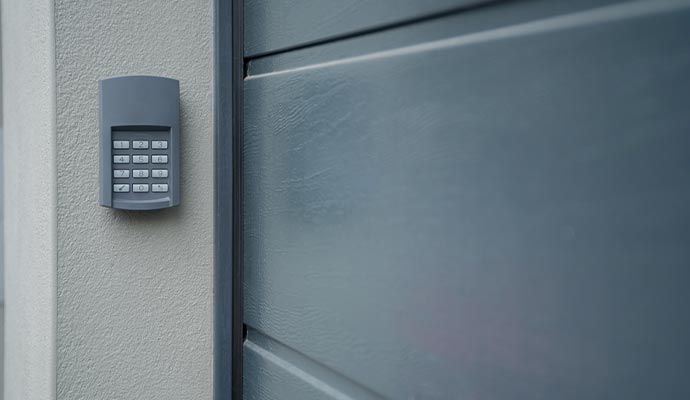
If you've run through everything above and the keypad still isn't responding, it may just be worn out. Outdoor keypads take a beating — UV exposure, rain, and daily use add up. A keypad that's more than 8–10 years old has earned its retirement.
Replacement keypads are affordable and most are universally compatible with major brands like LiftMaster, Chamberlain, Genie, and Craftsman. The installation is typically a 15-30 minute job. We're happy to handle it for you if you'd rather not deal with it.
Modern Keypad Options Worth Knowing About
If you're replacing an older unit, it's worth knowing what's available now — because keypads have come a long way.
- Wireless backlit keypads: are the standard upgrade. They're brighter, more weather-resistant, and easier to program than the older wired models. Most run off 9V or AA batteries and mount without any wiring required.
- Smart keypads: connect to your home's Wi-Fi and integrate with apps like the myQ platform. You can receive alerts when the keypad is used, set temporary access codes for guests or contractors, and manage everything from your phone. If you ever wonder "did the dog sitter actually close the garage door?" — a smart keypad tells you.
- Keypad + camera combos: are newer to the market and starting to show up more in residential installs. They log who entered and when, which some homeowners find useful for households with kids or multiple service providers coming and going.
- PIN-only VS PIN + proximity: Some higher-end systems now let you pair a keypad code with a proximity fob or phone Bluetooth, meaning both have to be present to open the door. It's a niche feature, but it's there if security is a priority for you.
Most keypad problems are a battery and five minutes of your time. If it's more than that, we're easy to reach — WagMore Garage Doors serves Duval and St. Johns counties, and we'd rather you call us with a quick question than go without a working keypad for a week. No pressure, no upsell. Just help.
Have questions about your opener or keypad? Give us a call or shoot us a message. Wally approves of a door that opens on the first try.
904-584-4828







Garage Door Problems?
We turn "Uh-Oh" into
"ALL GOOD"
Is your garage door acting up? Don't worry, we've got you covered! Our expert technicians are here to diagnose and fix any garage door issues you may be experiencing. From broken springs to malfunctioning openers, the most likable techs you will ever meet will handle it all with precision and care.
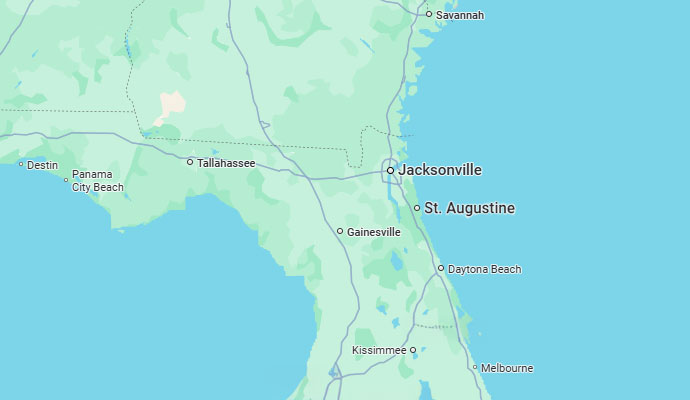
Service Area
- Atlantic Beach
- Bartram Park
- Doctors Inlet
- Eagle Harbor
- Elkton
- Fleming Island
- Fleming Island Plantation
- Fruit Cove
- Green Cove Springs
- Hastings
- Jacksonville
- Jacksonville Beach
- Julington Creek Plantation
- Keystone Heights
- Lake Geneva
- Middleburg
- Neptune Beach
- Nocatee
- Oakleaf Plantation
- Orange Park
- Palm Coast
- Penney Farms
- Ponte Vedra
- Ponte Vedra Beach
- River Town
- Saint Augustine
- Saint Johns
- Sawgrass
- World Golf Village
