
DIY GUIDE • HURRICANE SEASON • NORTHEAST FLORIDA
The Homeowner's Storm-Season Garage Door Checklist
Hurricane season runs June 1 through November 30. This checklist walks you through everything a Northeast Florida homeowner can safely do themselves to get their garage door ready — and tells you plainly what to hand off to a pro.
Set aside about 30 minutes. You'll need a few basic supplies and a clear garage.
904-584-4828The rule of thumb throughout this guide: If it involves springs, cables, or anything under tension — stop. Those components store enough energy to cause serious injury. Everything else on this list is genuinely safe for a prepared homeowner.
What You'll Need
Gather these before you start. Most are already in a typical garage or cost a few dollars at any hardware store.
| Supply | Where to Get It | What It's For |
|---|---|---|
| White lithium grease spray | Home Depot, Lowe's, Amazon | Springs, rollers, hinges, bearing plates |
| Dry rag or shop towel | Any hardware or grocery store | Wiping down tracks, cleaning sensors |
| Flashlight or headlamp | Already have one | Inspecting dark corners of the track and cables |
| Flathead & Phillips screwdrivers | Already have them | Tightening hinge bolts, checking hardware |
| Adjustable wrench | Already have one | Tightening loose track bolts |
| Rubbing alcohol + cotton swabs | Any pharmacy or grocery store | Cleaning photo-eye sensor lenses |
| Step ladder | Already have one | Reaching the opener unit and top of door |
| Toothbrush (old) | Already have one | Cleaning debris from keypad buttons |
| CR2032 or 9V battery (spare) | Any grocery or hardware store | Remote and keypad backup |
Task 1: Look at Your Springs — But Don't Touch Them
The torsion spring sits on the bar above the door. Extension springs (if your door has them) run along the sides of the track. Your job here is purely visual — look for any of these:
| What You're Checking | Pass | Fail — Action Needed |
|---|---|---|
| Gap in the coil | Coil looks continuous, no separation | 2" gap visible — spring has snapped. Do not operate the door. Call a pro. |
| Surface rust | Metal looks clean or lightly patchy | Heavy flaking or pitting rust — flag for pro inspection |
| Spring is straight and centered | Spring sits evenly on the bar | Spring is tilted, sagging, or shifted off-center |
Never adjust, wind, or replace springs yourself. A torsion spring under tension stores enough energy to cause fatal injury if released suddenly. If you see a gap or heavy rust, close the door (if you can do so safely from the wall button) and call a technician.
Task 2: The Balance Test
This is the single most useful thing you can do with your own two hands. It tells you whether your springs still have the tension to carry the door's weight — and whether your door is safe to rely on during a storm.
How to do it:
1. Pull the red emergency release cord straight down. The door is now disconnected from the opener.
2. Lift the door by hand to about waist height — roughly the 3-4 foot mark.
3. Let go completely.
4. Watch what happens for 5 seconds.
| What You're Checking | Pass | Fail — Action Needed |
|---|---|---|
| Door stays put | Springs are holding tension — door is balanced | Door drifts up or drops down — springs are losing tension. Schedule service. |
| Door lifts with moderate effort | Springs are doing their job | Door feels extremely heavy — springs may have lost significant tension or failed |
To reconnect the opener after the test: pull the release cord back at an angle toward the opener unit, then press the wall button. The trolley will click back into place as the door moves.
What if the door is already open? Do this test with the door fully closed. Never pull the emergency release on a door that's partially open — it can drop suddenly.
Task 3: Check the Cables — Eyes Only
Lift cables run from the bottom corners of the door up to drums at each end of the torsion bar. You're looking, not touching.
Stand at the side of the door and run your eyes along the full length of each cable. Look for:
- Individual strands fraying or separating from the main cable
- Any kinking, crimping, or sharp bends in the cable
- Rust or discoloration, especially where the cable attaches to the bottom bracket
- One cable looking slack or lower than the other (sign of a failing spring)
If anything looks off, add it to the call list. Cables under load can snap without warning — this is a pro repair.
Task 4: Inspect the Bottom Seal
The rubber gasket at the base of your door is your first line of defense against storm water. Florida's UV exposure and heat degrade rubber faster than most climates.
Close the door. Go inside. Turn off all the lights. Look at the base of the door.
| What You're Checking | Pass | Fail — Action Needed |
|---|---|---|
| Light test | No daylight visible along the bottom edge | Any light coming through — water and bugs can too |
| Rubber condition | Flexible, continuous, making full contact | Cracked, brittle, torn, or pulled away in sections |
| Contact with floor | Seal touches floor evenly across the full width | Waves or gaps — may indicate a door alignment issue |
Bottom seal replacement is a common DIY project, but only if the retainer track the seal slides into is straight and clean. If the track is bent or rusted, a new seal won't seat correctly. Check the track first before ordering a replacement seal.
Tip: After a heavy rain, look for any wet spots on the garage floor near the base of the door. Wet concrete in a dry spell between storms means the seal has already failed.
Task 5: Check the Side and Top Weatherstripping
Run your hand along the rubber or vinyl weatherstripping on both vertical sides and across the top of the door frame. You're feeling and looking for:
- Tears, splits, or sections that have pulled completely away from the frame
- Gaps where the stripping no longer makes contact with the door when it's closed
- Brittleness — if it crumbles or cracks when you flex it, it's overdue for replacement
Side and top weatherstripping is a genuine DIY replacement. It typically presses or nails into a groove in the door frame and is sold by the foot at any hardware store. Measure both sides and the top, add 10% for waste, and bring a section of the old stripping to match the profile.
Task 6: Inspect Rollers, Hinges, and Track Hardware
Work your way around the door methodically. You're looking for wear, damage, and loose hardware — all of which put extra stress on every other component during high-cycle operation or storm conditions.
Rollers
- If you have steel rollers, check for flat spots — a flattened roller causes a loud thump on every rotation
- Spin each roller you can reach by hand — it should spin freely with no wobble or grinding
- Look at the roller stem (the shaft the roller is mounted on) for bending or corrosion
- Nylon rollers: check the wheel for cracks, and the stem for wear or wobble
Hinges
- Check each hinge where it connects the door panels for cracks or visible stress fractures
- A cracked hinge on a heavy door is a failure point — flag it
- Tighten any hinge bolts that are visibly loose with a screwdriver or wrench
Track Hardware
- Check the brackets bolting the track to the wall and ceiling — tighten anything that's backed out
- Look inside the track for debris, dirt buildup, or anything that shouldn't be there — clear it out with a rag
- The track itself should be straight and gap-free. A bend or crimp means the door will bind. That's a pro repair.
Keep the track dry, not lubricated. Grease in the track collects dirt and turns into a grinding paste. Wipe it clean with a dry rag — that's it.
Task 7: Lubricate the Moving Parts
This is one of the highest-value things you can do in 10 minutes. Proper lubrication reduces friction, slows corrosion (critical in Northeast Florida's salt air and humidity), and extends the life of every component it touches.
Use white lithium grease spray or a product labeled specifically for garage doors. Not WD-40 — that's a solvent, not a lubricant, and it evaporates quickly.
| What You're Checking | Pass | Fail — Action Needed |
|---|---|---|
| Torsion spring coils | Light coat along the coils — not soaking, just coverage | Do not spray the spring attachment points or the winding cone |
| Roller bearings | Spray directly into the bearing — not the nylon wheel itself | Nylon rollers: bearings only, keep the wheel dry |
| Hinge pivot points | Small amount where the hinge pin meets the bracket | Avoid getting grease on the door panels or painted surfaces |
| Bearing plates | Light coat where torsion bar sits in each bearing plate | Don't spray the cable drums |
| Track | Do not lubricate. Wipe clean and leave dry. | Any grease in the track needs to be cleaned out |
After lubricating, run the door through 2-3 full cycles. Listen for squeaks or grinding you didn't notice before — moving parts under fresh lubrication often reveal a new noise that was previously masked.
Task 8: Clean and Test the Photo-Eye Sensors
The photo-eye sensors sit at the base of the track on each side — two small plastic units pointed at each other. They're the safety mechanism that stops the door from closing on a person, pet, or car. They're also very easy to knock out of alignment, and very sensitive to dirt.
Before storm season, take 2 minutes to do this:
5. Wipe each sensor lens with a cotton swab lightly dampened with rubbing alcohol — never spray anything directly at the sensor
6. Check that both indicator lights are solid (not blinking). A blinking light means the sensors are misaligned.
7. If misaligned: loosen the wing nut on the bracket, angle the sensor until the light goes solid, then retighten.
8. Test: close the door, then wave your hand through the sensor beam. The door should immediately reverse.
9. Also test: hold down the wall button and break the beam mid-close. The door should stop and reverse.
A sensor that doesn't reverse the door is a safety hazard — flag it for service.
Task 9: Test the Emergency Release
Power goes out during every major Florida storm. The emergency release cord is how you operate your door manually when that happens. Many homeowners haven't used it since the opener was installed.
10. With the door fully closed, pull the red emergency release cord straight down. You'll feel or hear a click.
11. Try to lift the door by hand. With good springs, it should open with moderate effort.
12. Lower the door manually back to the floor.
13. To re-engage: pull the cord back toward the opener at a slight angle, then run the opener once — it will reconnect automatically.
Storm prep note: If a hurricane is imminent and you've disengaged the opener, engage the slide lock or drop bar on the inside of the door before evacuating or sheltering. An unsecured door that's been disconnected from the opener can be pushed in by wind pressure. Lock it manually.
Task 10: Test Remotes, Keypads, and Battery Backup
Remotes and Keypads
Interference from new LED shop lights, smart home devices, and even neighboring equipment can degrade remote range without you noticing. Test from the end of your driveway — that's the real-world range you need it to work at.
- Test the remote from the far end of the driveway — it should open the door on the first press
- Test the keypad: enter your PIN and confirm the door responds immediately
- If range has dropped or keypads need multiple presses, check for new light bulbs in the opener itself — standard LED bulbs are a known source of radio interference. Swap for opener-rated bulbs.
- While you're at it: replace the remote battery (CR2032 or 9V) if you haven't in the past year. Pre-storm is not the time to discover a dead remote.
Battery Backup
If your opener has battery backup (common on LiftMaster and Chamberlain units from roughly 2015 onward):
14. Unplug the opener from the wall outlet
15. Try to operate the door with your remote
16. If it works, the backup is functional. Plug the opener back in.
17. If the door doesn't respond, or a low-battery indicator light is showing, the backup battery needs replacement — typically every 1-3 years.
No battery backup? That's worth knowing now rather than during a 3-day outage after a storm. Most current openers can be fitted with a backup unit, or an opener upgrade will include one built in.
Your Complete Pre-Season Checklist
Print this page and work through it before June 1. The red-highlighted items are look-don't-touch — call a pro if anything fails those checks.
| ✓ | Area | Task |
|---|---|---|
| ✓ | Springs | Visually check spring coils — no gaps or separation visible |
| Note any heavy rust or corrosion — flag for pro inspection | ||
| Do NOT touch, adjust, or attempt to wind springs | ||
| ✓ | Balance Test | Pull emergency release with door fully closed |
| Lift door to waist height by hand, release | ||
| Door holds position (doesn't drift up or drop) — pass | ||
| Re-engage opener trolley after test | ||
| ✓ | ⚠️ STOP — Call Pro | Broken spring (gap in coil) — do not operate door |
| Door drops or rises on release — springs failing | ||
| Frayed, kinked, or rusted cable — do not operate door | ||
| Bent or crimped track — do not force door | ||
| ✓ | Cables | Visually inspect full cable length — no fraying or kinking |
| Check attachment at bottom bracket — no rust or separation | ||
| Both cables appear equal tension (not one slack) | ||
| ✓ | Bottom Seal | Light test: no daylight visible along bottom edge |
| Rubber is flexible and continuous — not cracked or torn | ||
| Seal contacts floor evenly across full width | ||
| Retainer track is straight and clean before replacing seal | ||
| ✓ | Weatherstripping | Side strips: no tears, gaps, or sections pulled away |
| Top strip: makes full contact with door when closed | ||
| Material is flexible — not brittle or crumbling | ||
| ✓ | Rollers | Each roller spins freely with no wobble or grinding |
| No flat spots on steel rollers, no cracks on nylon wheels | ||
| Roller stems are straight — not bent or corroded | ||
| ✓ | Hinges & Hardware | No cracked or fractured hinges |
| All hinge bolts tightened with screwdriver or wrench | ||
| Track bracket bolts snug against wall and ceiling | ||
| ✓ | Track | Track interior wiped clean and dry — no grease |
| No visible bends, gaps, or crimps in track | ||
| Track bracket gaps checked — none pulling away from wall | ||
| ✓ | Lubrication | Spring coils: light coat of white lithium grease spray |
| Roller bearings: lubricated (nylon wheel kept dry) | ||
| Hinge pivot points: light grease at each pin | ||
| Bearing plates: light coat at torsion bar contact points | ||
| Door cycled 2-3 times after lubricating | ||
| ✓ | Sensors | Both sensor lenses cleaned with alcohol swab |
| Both indicator lights are solid (not blinking) | ||
| Auto-reverse tested: door reverses when beam is broken | ||
| ✓ | Emergency Release | Red cord pulls smoothly, trolley disengages cleanly |
| Door lifts manually with moderate effort | ||
| Trolley re-engages after test | ||
| Manual lock (drop bar or slide bolt) locates and tested | ||
| ✓ | Remotes & Keypads | Remote tested from end of driveway — first-press response |
| Keypad tested — responds immediately to correct PIN | ||
| Remote battery replaced if more than 12 months old | ||
| Opener bulb is opener-rated LED or incandescent (not standard LED) | ||
| ✓ | Battery Backup | Opener unplugged — door still operates on remote |
| No low-battery warning lights on opener | ||
| If no backup: aware that manual operation required during outages |
The Short List: What Always Needs a Pro
This guide covers everything a homeowner can safely do.
The difference between DIY and pro isn't capability — it's physics. Springs and cables under tension are mechanical hazards. Everything else on this list is fair game with 30 minutes and the supplies above.
Anything on This List Give You Pause?
Springs, cables, wind-load rating, and balance — those aren't DIY. WagMore's 16-point Safe & Sound Inspection covers everything on this list that belongs in a professional's hands. Same-day service available throughout Duval and St. Johns County.








Garage Door Problems?
We turn "Uh-Oh" into
"ALL GOOD"
Is your garage door acting up? Don't worry, we've got you covered! Our expert technicians are here to diagnose and fix any garage door issues you may be experiencing. From broken springs to malfunctioning openers, the most likable techs you will ever meet will handle it all with precision and care.
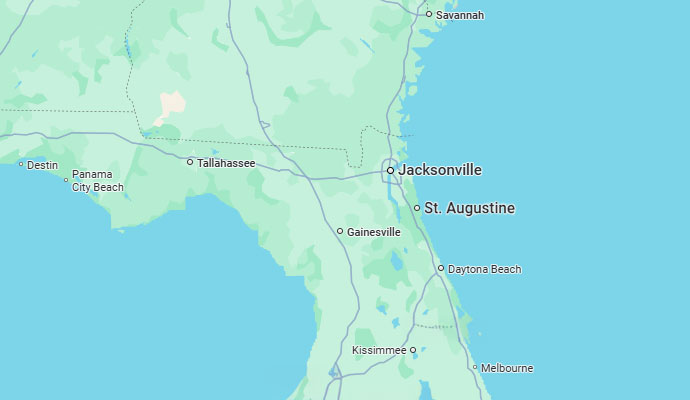
Service Area
- Atlantic Beach
- Bartram Park
- Doctors Inlet
- Eagle Harbor
- Elkton
- Fleming Island
- Fleming Island Plantation
- Fruit Cove
- Green Cove Springs
- Hastings
- Jacksonville
- Jacksonville Beach
- Julington Creek Plantation
- Keystone Heights
- Lake Geneva
- Middleburg
- Neptune Beach
- Nocatee
- Oakleaf Plantation
- Orange Park
- Palm Coast
- Penney Farms
- Ponte Vedra
- Ponte Vedra Beach
- River Town
- Saint Augustine
- Saint Johns
- Sawgrass
- World Golf Village
