
The Muscles of Your Home: Why Your Garage Door Springs Are Doing All the Heavy Lifting
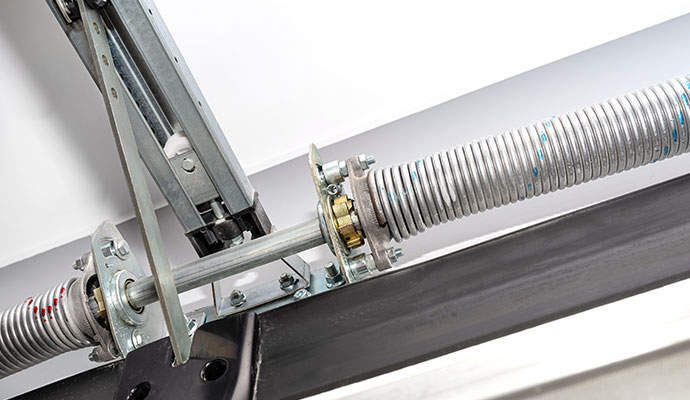
When you hit that button on your remote, you probably think the motor is doing all the work. In reality, that motor is just the "brain" signaling the movement. The real "brawn" of the operation? Your garage door springs.
At Wagmore Garage Doors, we want our customers to understand how their doors function so they can stay safe and avoid costly emergency repairs.
The Anatomy of a Lift: Think of Your Achilles Tendon
To truly understand what a garage door spring does, look at your own body.
Imagine your garage door is a person trying to stand up from a deep squat. The garage door opener is like the brain—it sends the signal to move. But the springs are the Achilles tendons. Just as your tendons store energy and provide the massive mechanical leverage needed to propel your body upward, the springs do 90% of the heavy lifting for your door.
A standard garage door can weigh between 150 to 300 pounds. Without the "muscle" of the springs, your opener would burn out in a week trying to lift that dead weight.
How Long Before the "Muscle" Tires?
Garage door springs aren't rated by years; they are rated by cycles. One cycle is the door opening and closing once.
- Standard Springs: Typically rated for 10,000 cycles. Depending on how often you leave and return, this usually translates to 7 to 10 years.
- High-Cycle Springs: For busy households, we often recommend premium springs rated for 20,000 to 30,000 cycles, which can double or triple that lifespan.
Factors that impact life cycle include:
- Weight & Balance: If the door is poorly balanced, the spring works harder.
- Environment: Humidity and salt air (common in our area!) can cause surface rust, which acts like friction on a muscle, leading to premature snapping.
- Wire Gauge: Thicker, high-quality steel lasts significantly longer than the "builder-grade" springs found in many new developments.
The Cost of a "Muscle" Transplant
When a spring snaps, the door becomes "dead weight." Replacing these components is a precision job that requires specialized tools. On average, a professional spring replacement typically costs between $299 and $499, depending on the size, weight, and specific type of door you have.
Warning Signs: Is Your Spring About to Snap?
Because springs are under extreme tension, they don't usually "whimper" before they go—they "pop." However, keep an eye out for these red flags:
- The "Heavy Door" Test: If you pull the emergency release cord and can’t easily lift the door halfway by hand, your springs are failing.
- Gaps in the Coil: If you look at the bar above your door and see a 2-inch gap in the metal coil, the "tendon" has already snapped.
- Loud Bangs: A breaking spring often sounds like a gunshot or a firecracker in your garage.
- Slow or Jerky Movement: If the door struggles to get off the ground, the springs have lost their tension.
A Word of Warning: Garage door springs operate under enough tension to be lethal. Attempting a DIY replacement without the proper winding bars and training is incredibly dangerous.
Let Wagmore Handle the Heavy Lifting
If your door is acting sluggish or you’ve heard a suspicious "snap" in the garage, don't risk a DIY injury. Let the pros at Wagmore Garage Doors get your door back in peak physical condition.
904-584-4828







Garage Door Problems?
We turn "Uh-Oh" into
"ALL GOOD"
Is your garage door acting up? Don't worry, we've got you covered! Our expert technicians are here to diagnose and fix any garage door issues you may be experiencing. From broken springs to malfunctioning openers, the most likable techs you will ever meet will handle it all with precision and care.
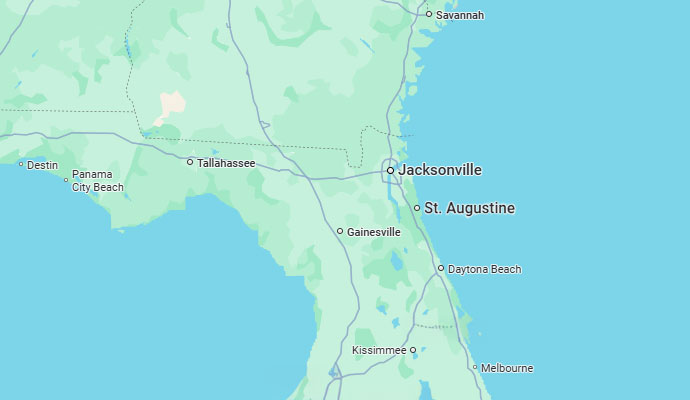
Wagmore Garage Doors Service Area
- Atlantic Beach
- Bartram Park
- Doctors Inlet
- Eagle Harbor
- Elkton
- Fleming Island
- Fleming Island Plantation
- Fruit Cove
- Green Cove Springs
- Hastings
- Jacksonville
- Jacksonville Beach
- Julington Creek Plantation
- Keystone Heights
- Lake Geneva
- Middleburg
- Neptune Beach
- Nocatee
- Oakleaf Plantation
- Orange Park
- Palm Coast
- Penney Farms
- Ponte Vedra
- Ponte Vedra Beach
- River Town
- Saint Augustine
- Saint Johns
- Sawgrass
- World Golf Village
