
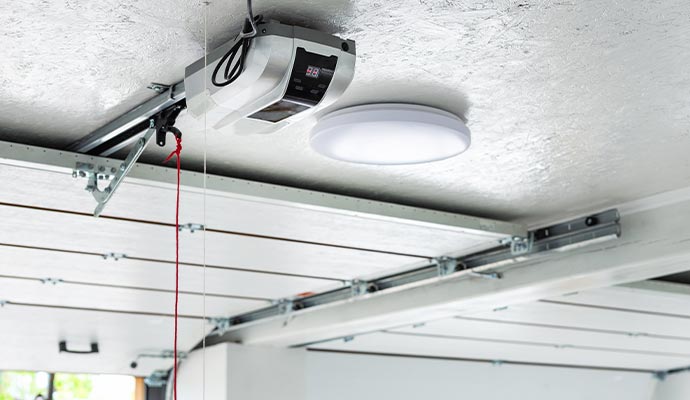
Common Garage Door Opener Problems and Solutions
Most homeowners use their garage door opener dozens of times a week without giving it much thought. But one malfunction and suddenly it's all you can think about. A single issue can throw off your entire day.
The good news is that most problems trace back to a handful of known causes with straightforward fixes. Knowing what to look for saves you time and keeps minor problems from turning into expensive repairs. Here's a breakdown of the most common garage door opener issues homeowners face and what to do about them.
904-584-4828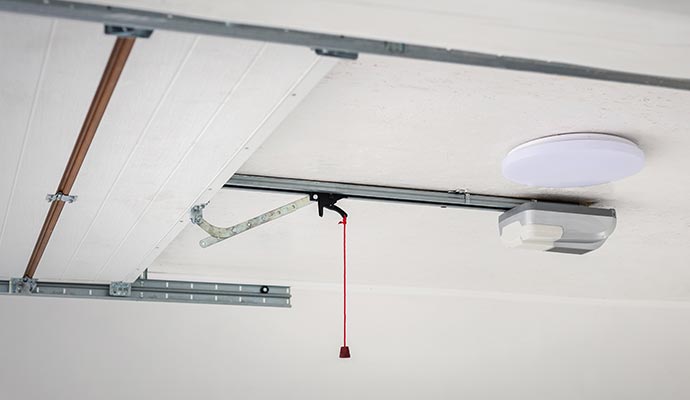
Garage Door Opener Not Responding?
A common issue is the opener not responding even when you press the button. Start with power and make sure the unit is plugged in. Then test the outlet with another device. If it's dead, check your circuit breaker. If the power isn't the issue, try the wall button instead of the remote.
If the wall button works but the remote doesn't, swap the battery. If neither works, the logic board or motor unit likely needs a professional inspection. Work through the basics before assuming the worst.
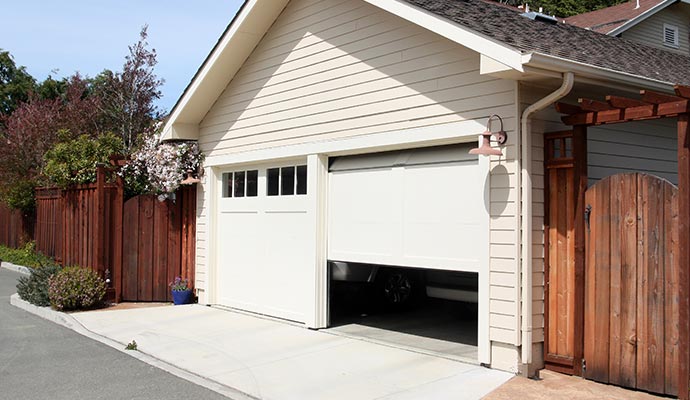
Troubleshoot the Garage Door that Opens Unexpectedly
This is usually a frequency conflict or a problem with stored remote codes. A neighbor's opener, a nearby radio signal, or a car's visor remote can accidentally trigger your opener if it runs on an older fixed frequency. Reprogramming your opener and remotes to a new frequency clears this up in most cases.
If reprogramming doesn't solve it, someone may have a remote coded to your opener without your knowledge. Clear all stored codes using the learn button on the motor unit, then reprogram only the remotes you own. If the problem persists, the circuit board may need replacement.
Remote Working One Minute and Not the Next?
Intermittent remote issues have quite a few common causes. They range from simple battery problems to signal interference. Work through these before contacting a technician:
Weak Battery
Replace the battery first before trying other possible fixes.
Signal Interference
Nearby devices like LED bulbs or routers can block the remote.
Antenna Damage
A bent or frayed antenna wire can reduce the signal.
Frequency Conflict
Reprogram the remote to fix signal issues.
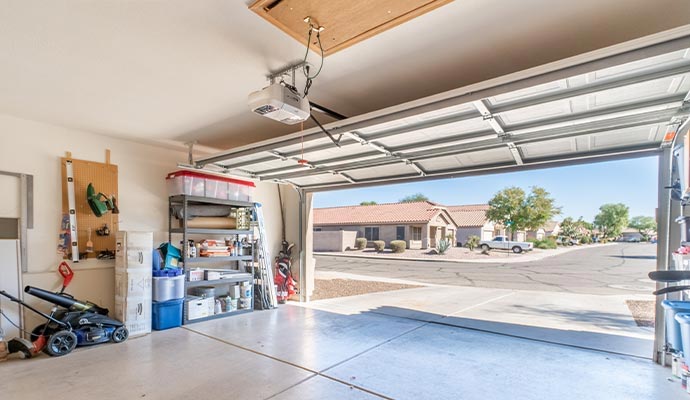
The Door Reverses before Closing Fully
Photo-eye sensors sit at the base of every door track and send a beam across the opening. If anything blocks that beam, or if the sensors fall out of alignment, the door reverses automatically. Check that both sensors face each other and show solid indicator lights. Blinking means misalignment.
Clean the sensor lenses gently to remove any dirt or buildup. If the sensors look fine, the close-force setting may need adjustment. If the door reverses due to worn rollers or a bent track, fix the mechanical issue first.
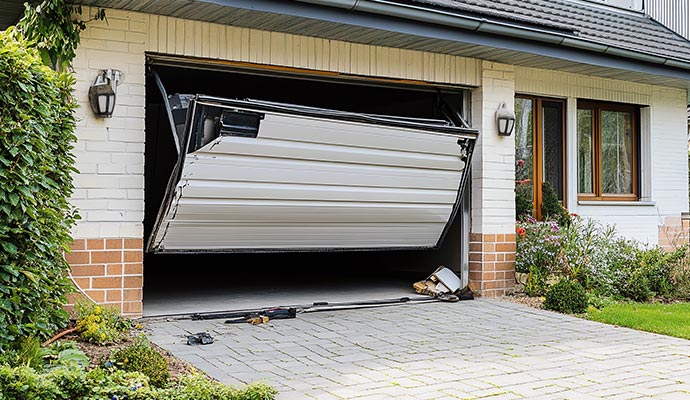
The Door Reverses after Hitting the Floor
This problem almost always comes down to one adjustable setting. The fix is straightforward once you know where to look. Check these before anything else.
- Down-limit set too far: The opener reads floor contact as an obstruction and reverses immediately
- Adjustment method: Use the down-limit screw or button on the motor unit
- How to adjust: Turn in small increments and test the door after every change
- Final result: The door should seal flat on the floor without bouncing back
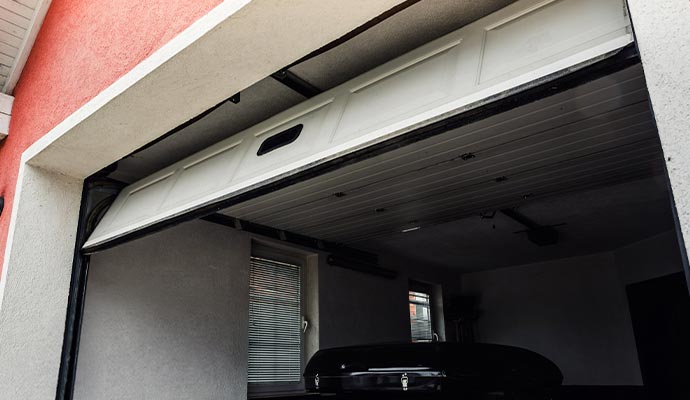
The Opener Runs but the Door Won't Move
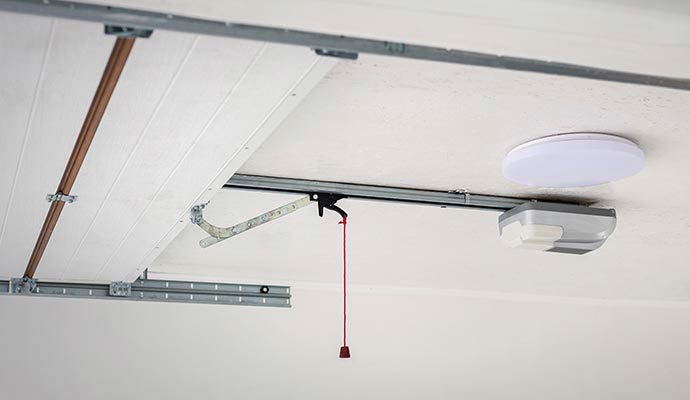
Check the emergency release cord first. If someone pulled the red cord to disconnect the trolley during a power outage, the door won't move under power until you re-engage it. Pull the cord toward the motor unit and test with your remote.
If the trolley is connected and the door still won't move, the drive belt, chain, or screw mechanism may be worn or broken. A technician can replace those parts without requiring a full opener replacement.
The Opener is Louder than Usual
Unusual noise almost always points to a specific mechanical problem. Check every one of these before assuming you need a new opener:
Loose Chain or Belt
Creates a slapping sound and causes uneven, jerky door movement
Worn Rollers
Cracked nylon or dry metal rollers create grinding and squeaking sounds
Lack of Lubrication
Apply silicone-based lubricant to rollers, hinges, and moving parts regularly
Debris in the Track
Inspect the track closely and clear any dirt or objects blocking movement
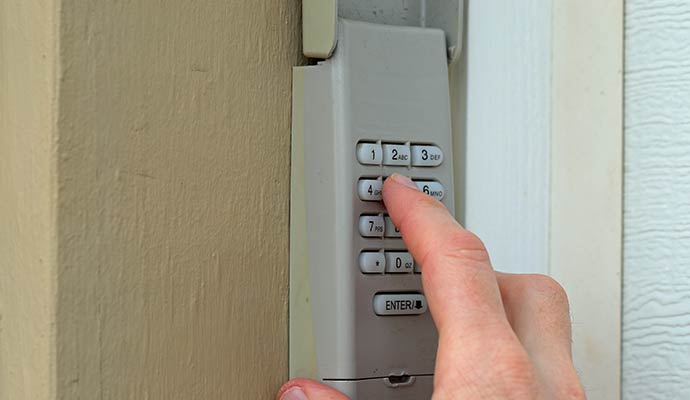
The Keypad Stopped Working
Outdoor keypads are exposed to rain, heat, and cold throughout the year. Moisture corrodes internal contacts over time, and batteries drain faster in cold weather. Start with a fresh 9V battery, then try reprogramming the keypad using the opener's learn button.
If reprogramming fails, the keypad likely needs to be replaced. Modern keypads are inexpensive and straightforward to swap out, usually taking under 20 minutes.
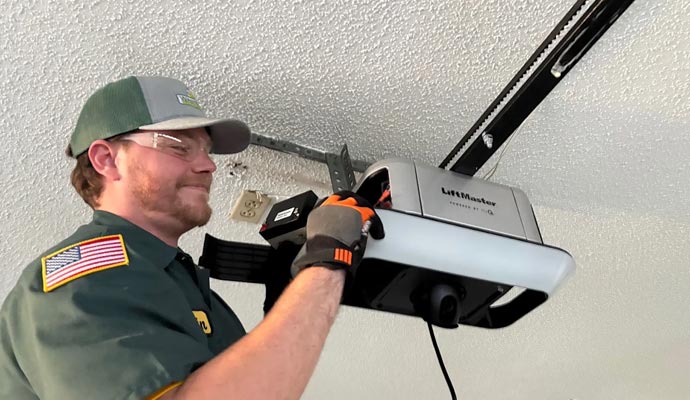
Signs Your Opener Needs Replacing
Repairs make sense for most opener problems, but at some point replacement is the smarter call. Watch for these signs that your opener is past the point of a simple fix:
- Age over 15 years: Most openers only deliver 10 to 15 years of reliable use before problems stack up.
- Frequent breakdowns: Multiple repair calls a year indicate the unit is failing.
- No rolling code technology: Fixed-frequency openers are a security risk and lack modern safety features.
- Repair cost too high: If the bill exceeds 50% of replacement cost, a new unit makes more financial sense.
- Not smart-home compatible: Older units can't integrate with modern apps or home automation setups.
Get Your Garage Door Working Again
Some fixes are safe to do yourself: replacing batteries, cleaning sensors, lubricating moving parts, and adjusting limit settings. Other issues can seriously hurt you. Garage door springs operate under extreme tension and can cause injury if mishandled.
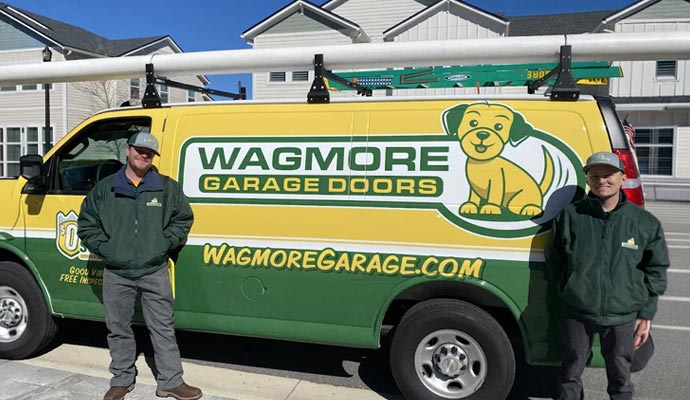
The same applies to motor wiring and structural door components. If the problem involves any of those, contact Wagmore Garage Doors immediately. We diagnose the issue accurately and get your door running safely without unnecessary repairs. Give us a call or submit our online form to book a service call.
904-584-4828
5 out of 209 reviews

Other pages you may be interested in...








Garage Door Problems?
We turn "Uh-Oh" into
"ALL GOOD"
Is your garage door acting up? Don't worry, we've got you covered! Our expert technicians are here to diagnose and fix any garage door issues you may be experiencing. From broken springs to malfunctioning openers, the most likable techs you will ever meet will handle it all with precision and care.
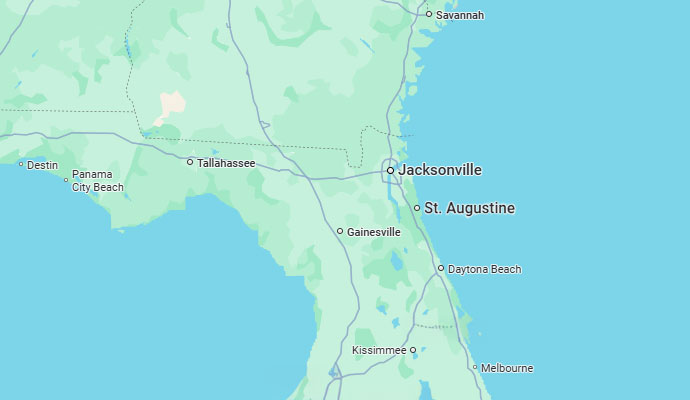
Wagmore Garage Doors Service Area
- Atlantic Beach
- Bartram Park
- Doctors Inlet
- Eagle Harbor
- Elkton
- Fleming Island
- Fleming Island Plantation
- Fruit Cove
- Green Cove Springs
- Hastings
- Jacksonville
- Jacksonville Beach
- Julington Creek Plantation
- Keystone Heights
- Lake Geneva
- Middleburg
- Neptune Beach
- Nocatee
- Oakleaf Plantation
- Orange Park
- Palm Coast
- Penney Farms
- Ponte Vedra
- Ponte Vedra Beach
- River Town
- Saint Augustine
- Saint Johns
- Sawgrass
- World Golf Village
