
GARAGE DOOR SPRING HEALTH | WAGMORE GARAGE DOORS
Warning Signs Your Garage Door Springs Are About to Fail
How to read what your door is telling you — before a quiet symptom becomes a stranded car and an emergency repair call.
904-584-4828QUICK ANSWER
Garage door springs fail gradually — and then all at once. The most reliable warning signs are: a visible gap in the spring coil, a door that feels unusually heavy when lifted manually, slow or jerky movement, a loud bang from the garage, visible rust on the coils, or an opener that sounds like it's straining to complete the cycle.
Any of these symptoms means your springs are close to the end of their service life.
Stop using the door and schedule a professional inspection.
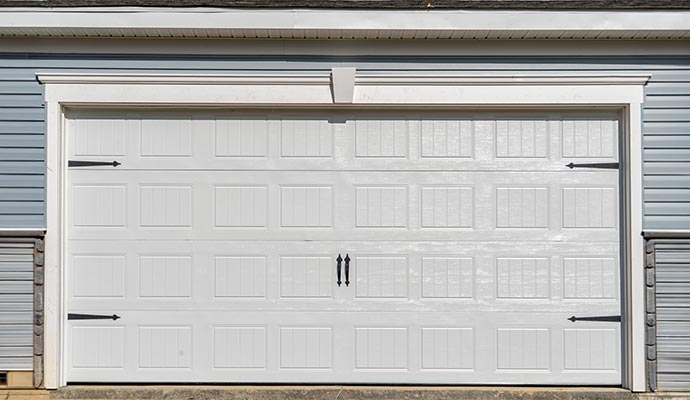
What Garage Door Springs Actually Do
Most homeowners assume the opener does the heavy lifting. It doesn't. The opener is the signal — the springs are the muscle. A standard double-car garage door weighs anywhere from 150 to 225 pounds or more depending on how many layers of steel and insulation it has. The springs are engineered to counterbalance almost all of that weight, so the opener only has to manage a small fraction of the load.
When the springs are healthy, your door opens smoothly, the opener runs quietly, and you could probably lift the door yourself with one hand if you had to. When the springs are failing, the system strains. The opener works harder. The door moves differently. And one day — often with a sound like a gunshot — a coil snaps and the door becomes immovable dead weight.
The spring failure moment itself is rarely the problem. The warning signs that come before it are the problem — because most homeowners don't know what to look for. For a deeper explanation of how springs work and what drives their lifespan, see our full guide to garage door springs.
8 Warning Signs Your Springs Are Failing
These symptoms range from the definitive (a broken spring is already broken) to the early-warning (rust and imbalance are problems that haven't become emergencies yet). Know the difference.
1. A Visible Gap in the Spring Coil
This is the clearest sign — no diagnostic required. Look at the horizontal spring bar above your door. If you see a two-inch gap where the coil has separated, the spring is broken. It's not failing. It's done.
Don't attempt to operate the door. A broken torsion spring means the entire counterbalance system is offline. The opener is now trying to lift the full weight of the door on its own — which it was never designed to do. On most doors, it can't. And attempting to force it risks damaging the opener, the cables, and the track system.
2. The Door Feels Unusually Heavy When You Lift It Manually
This is the single best DIY diagnostic available to you. Pull the emergency release cord (the red rope hanging from the rail) to disconnect the door from the opener. Then try to lift the door by hand.
A properly balanced door with healthy springs should feel light enough to lift with one hand and should stay at mid-height on its own when you let go. If it feels like you're lifting a refrigerator — or if it drops the moment you release it — your springs are losing tension and nearing the end of their service life.
This balance test is also part of what a legitimate technician should perform on every maintenance visit. Our $0 Safe & Sound 16-point inspection includes it as a standard item — not an add-on.
3. A Loud Bang from the Garage
If you heard a sound like a firecracker or a gunshot coming from your garage — especially if the door subsequently stopped working — a spring has almost certainly snapped. The tension stored in a wound torsion spring is substantial, and when a coil fails under load, the release is audible throughout the house.
It's startling. It's also not dangerous if you weren't standing near it. But the door is now out of service until the spring is replaced.
4. The Door Moves Unevenly or Jerks During Operation
A door that travels smoothly to the fully open or closed position is a door with balanced spring tension. A door that stutters, hesitates, or appears to lift unevenly — one side higher than the other — is indicating a spring problem.
On two-spring systems (most double-car doors use two torsion springs), uneven movement often means one spring has already failed or lost significant tension while the other is still functioning. The result is a door that lifts with a tilt. Continued use in this state accelerates wear on the rollers, tracks, cables, and opener.
5. Visible Rust or Surface Corrosion on the Coils
Rust on a torsion spring isn't just cosmetic. The corrosion acts as friction against the metal itself — each cycle grinds the coil slightly, accelerating fatigue and reducing the number of remaining cycles significantly. A moderately rusted spring may fail far earlier than its rated cycle count would suggest.
In Northeast Florida, humidity and salt air are a real factor here. Coastal and near-coastal communities like Ponte Vedra Beach, Atlantic Beach, and Neptune Beach see faster hardware corrosion than inland areas. If your springs show surface rust and you haven't had the system serviced in the last year or two, schedule an inspection. The rust is a symptom, not just a cosmetic issue.
One reason we recommend powder-coated high-cycle springs for Northeast Florida homes is precisely this: the coating creates a barrier against the humidity and salt air that degrade standard galvanized springs faster here than the national average. See our post on powder-coated springs for the full breakdown.
6. The Opener Sounds Like It's Working Harder Than It Should
If you've had the same door and opener for years and recently noticed the opener sounds louder, slower, or more labored during operation, the springs are the first place to investigate. The opener's workload is directly tied to how much counterbalancing the springs are providing. As spring tension degrades, the opener picks up the slack — until it can't.
This symptom is easy to dismiss as "the opener is old" when the real culprit is aging springs. A technician assessing opener performance should always test the spring balance first before drawing any conclusions about the opener itself.
7. The Door Reverses Before Closing Fully
Modern garage door openers include auto-reverse safety sensors that stop and reverse the door if it meets resistance. When springs are failing and the door becomes heavier than expected mid-travel, the opener can interpret that increased load as an obstruction and trigger a reversal.
If your door has started reversing inconsistently — closing partway, then going back up without apparent cause — the springs are worth investigating before assuming the sensors or opener are at fault.
8. The Door Won't Stay at Mid-Height When Disconnected from the Opener
Return to the balance test from #2. A well-tuned door will hover at mid-height on its own when the opener is disconnected and the door is positioned at the halfway point. A door that drifts up has over-tensioned springs. A door that sinks back toward the floor has under-tensioned springs — meaning they're losing the tension they need to do their job.
Either scenario indicates the spring system needs adjustment or replacement. This is not a DIY adjustment. Spring tension calibration requires specialized winding bars and the training to use them safely.
Never Attempt DIY Spring Repair
Garage door springs operate under extreme stored tension — enough to cause serious injury if mishandled.
Lubrication is safe to do yourself. Spring adjustment, winding, and replacement are not. If you see any of the signs above, stop using the door and call a professional.
Quick Reference: What Each Warning Sign Means
| Warning Sign | What It Means | Urgency |
|---|---|---|
| Gap in spring coil | Spring is broken | 🚨 Stop using door now |
| Door feels heavy lifting manually | Spring tension failing | 🔴 Schedule repair soon |
| Loud bang from garage | Spring likely snapped | 🚨 Stop using door now |
| Jerky or uneven movement | Spring imbalance | 🔴 Schedule repair soon |
| Visible rust or corrosion on coils | Accelerated wear | 🟡 Get inspected |
| Opener straining / running loud | Springs not counterbalancing | 🟡 Get inspected |
| Door won't stay at mid-height | Spring imbalance | 🔴 Schedule repair soon |
Why Springs Fail Faster in Northeast Florida
Spring lifespan is typically expressed in cycles — one cycle being a single open-and-close. Standard springs are rated for 10,000 cycles. High-cycle springs run 25,000 or more. But cycle count is only part of the picture.
In our climate, environmental factors accelerate wear independently of how many times the door has moved:
- Salt air: Homes within a few miles of the coast — Jacksonville Beach, Atlantic Beach, Neptune Beach, Ponte Vedra Beach — see faster corrosion on all exposed metal hardware, including spring coils.
- Humidity: Northeast Florida's year-round humidity creates conditions that promote surface rust even on inland properties. Springs that look fine from the ground may have micro-corrosion in the coil gaps where friction is highest.
- Heat cycling: Florida temperatures create significant thermal expansion and contraction in metal components. Springs that cycle between cool mornings and afternoon heat accumulate stress differently than springs in temperate climates.
The practical implication: standard galvanized springs in Northeast Florida often perform closer to their minimum rated lifespan, not their maximum. Our guide to spring lifespan in Florida covers the full picture — including how to estimate where your springs likely stand based on your home's location, door weight, and usage frequency.
One Spring or Two: Does It Matter?
Most double-car doors use a two-spring torsion system. When one spring breaks, the other is typically at or near the same point in its service life — same installation date, same cycle count, same environmental exposure. Replacing one spring and leaving the other in place saves a small amount of money today and almost guarantees a second service call within months.
The standard recommendation — and ours — is to replace both springs at the same time when either one fails. You pay one labor charge, the door comes out balanced, and both springs start their new service life together.
See our post on whether to replace one spring or both for a full breakdown of the cost math.
The WagMore Approach to Spring Replacement
We install high-cycle powder-coated springs on every job — rated for 25,000+ cycles and protected against Florida's humidity and salt air.
Our Furever Warranty (Lifetime Warranty) covers those springs for parts AND labor for as long as you own the home.
If they fail, we replace them. No charge. No argument. No expiration date.
Frequently Asked Questions
How do I know if my garage door spring is broken?
Can I still use my garage door with a broken spring?
How long do garage door springs last in Florida?
What does a failing garage door spring sound like?
Is it safe to replace garage door springs myself?
How much does spring replacement cost in Jacksonville / Northeast Florida?
What's the difference between torsion springs and extension springs?
Think Your Springs Are Failing?
Don't wait for a spring to snap — that's the most expensive way to find out. Text two photos to for a same-day assessment.








Garage Door Problems?
We turn "Uh-Oh" into
"ALL GOOD"
Is your garage door acting up? Don't worry, we've got you covered! Our expert technicians are here to diagnose and fix any garage door issues you may be experiencing. From broken springs to malfunctioning openers, the most likable techs you will ever meet will handle it all with precision and care.
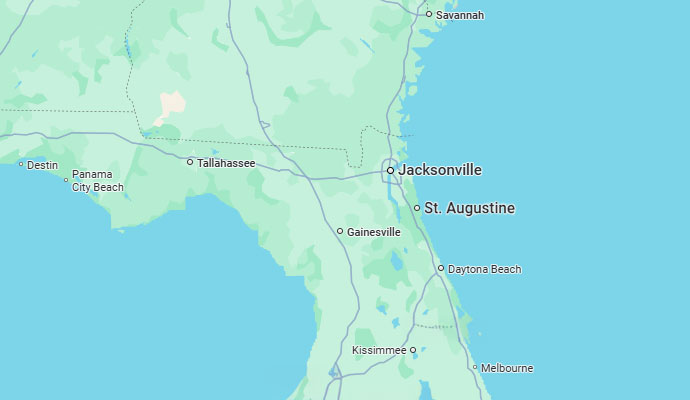
Wagmore Garage Doors Service Area
- Atlantic Beach
- Bartram Park
- Doctors Inlet
- Eagle Harbor
- Elkton
- Fleming Island
- Fleming Island Plantation
- Fruit Cove
- Green Cove Springs
- Hastings
- Jacksonville
- Jacksonville Beach
- Julington Creek Plantation
- Keystone Heights
- Lake Geneva
- Middleburg
- Neptune Beach
- Nocatee
- Oakleaf Plantation
- Orange Park
- Palm Coast
- Penney Farms
- Ponte Vedra
- Ponte Vedra Beach
- River Town
- Saint Augustine
- Saint Johns
- Sawgrass
- World Golf Village
