
Why Doing Nothing Is Often the Most Expensive Option for Your Garage Door
A rattling door, a slow opener, a seal that's stopped touching the ground — none of it feels urgent. Here's why waiting almost always costs more than fixing it now.
904-584-4828QUICK ANSWER
Yes — waiting on a small garage door problem is usually more expensive than fixing it, because a failing part forces the parts around it to work harder. A worn spring strains the opener motor. A cracked seal lets in water and pests that damage what's stored in the garage. A misaligned track wears out rollers faster. A repair that costs $200–$300 today can become a $650–$1,500+ opener replacement, or a full system repair, within a few months or a year or two of being ignored.
Why Does Delaying Garage Door Repair End Up Costing More?
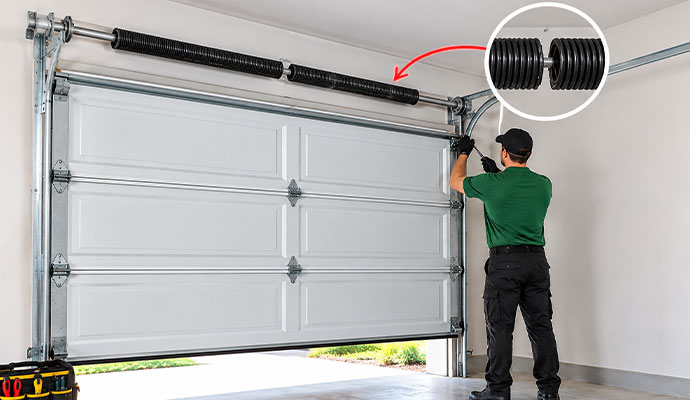
A garage door isn't a collection of separate parts — it's one connected system. The springs counterbalance the door's weight so the opener motor barely has to work. The rollers and track keep the door moving in a straight line so the springs and cables aren't fighting misalignment. The bottom seal keeps water and pests out of everything else stored in the garage.
When one part in that system starts to fail, it doesn't fail in isolation. The load it used to carry gets redistributed onto whatever's left — and that's where the real cost shows up.
What's the Cascade Cost, and How Does It Actually Play Out?
We call this pattern the WagMore Cascade Cost — our own shorthand for a mechanical reality every technician sees on service calls: a small, cheap problem left alone becomes a bigger, more expensive one, because the components around it absorb the extra strain.
- A worn spring doesn't just wear out quietly — the opener motor starts doing the lifting the spring used to do. That's not what the motor is built for, and it shortens the life of a $650–$1,500+ component to compensate for a $550–$750 one.
- A cracked or gapped bottom seal doesn't just let in a draft — it lets in rain, humidity, and pests. In Northeast Florida, that means a real chance of mold, rust on stored tools or a second vehicle, and damage to anything cardboard or fabric sitting on the garage floor.
- A track that's out of alignment doesn't just squeak — it makes the rollers work at an angle they weren't designed for, wearing them out faster and putting uneven stress on the cables and springs holding the door up.
- A door that's calling for repairs more than once a year isn't a maintenance problem anymore — at that frequency, the math has usually flipped in favor of replacement, and every deferred repair between now and then adds to the total.
Is This Just a Sales Pitch, or Is Deferred Maintenance a Real Cost Category?
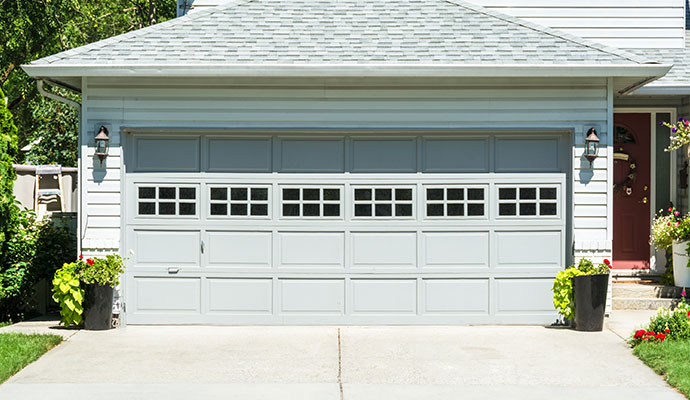
It's real, and it's not unique to garage doors. Deferred maintenance is a recognized line item in home inspections, insurance underwriting, and property appraisals — inspectors and appraisers specifically look for it because postponed sh2mall repairs are a reliable predictor of larger ones. A garage door is one of the largest moving mechanical systems in a home, and it follows the same pattern as a roof, an HVAC system, or a water heater: small issues addressed early stay small. Small issues left alone don't stay small.
How Do I Know If My Garage Door Problem is Still Small, or Already Spreading?
A few signs the cost is already starting to compound:
- The door has needed a repair more than once in the past 12 months
- The opener runs longer or louder than it used to, even though nothing else changed
- You can see daylight, feel a draft, or find debris under the closed door
- The door doesn't stay put when lifted halfway by hand (a sign the springs are already losing tension)
- Rollers wobble, squeal, or you can see wear at the stem
Any one of these on its own is usually an inexpensive fix. Two or three together, or the same issue recurring, is the pattern that turns into a bigger bill.
What Does It Cost to Catch a Problem Early vs. Waiting?
Exact pricing depends on your door's size, weight, and construction — our full breakdown is in the WagMore Repair Cost Guide — but the general pattern holds across almost every service call:
- Bottom seal replacement now: roughly $200–$400. Ignored until it's let in enough moisture to affect stored items or the slab: seal replacement plus whatever it damaged.
- Roller replacement now: roughly $150–$275. Ignored until the track bends from the wobble: roller replacement plus track realignment, plus possible cable inspection.
- Spring replacement now: roughly $550–$750. Ignored until the opener burns out compensating for it: spring replacement plus opener replacement, roughly $650–$1,500 on top.
How Can I Avoid Paying the Cascade Cost?
The short version: don't let small, cheap fixes turn into big, connected ones. A couple of ways to stay ahead of it:
- Don't wait for a full failure to call. If something sounds, moves, or feels different than it used to, that's the cheapest moment to address it.
- Get an honest inspection, not a sales pitch dressed up as one. A legitimate visit checks balance, cables, rollers, hardware, and seals — not just whether the door goes up and down. (We wrote a longer breakdown of what a real maintenance visit should include, and why the $29 special usually isn't one, if you want the full picture.)
- Ask what's connected. A good technician won't just fix the part that broke — they'll tell you what else is absorbing the strain from it.
At WagMore, every service visit includes our Safe & Sound 16-point inspection at no charge, specifically so small issues get flagged while they're still small — and cheap.
904-584-4828Frequently Asked Questions
Is it cheaper to fix a garage door problem now or wait until it fully breaks?
Can a broken garage door spring damage the opener?
What happens if I ignore a cracked bottom seal?
How often should a garage door be inspected to avoid bigger repairs?
The Bottom Line
A garage door rarely fails all at once. It fails one small part at a time, and every part you don't address adds strain to the ones you haven't gotten to yet. The fastest way to keep a repair small is to make the call while it's still small.
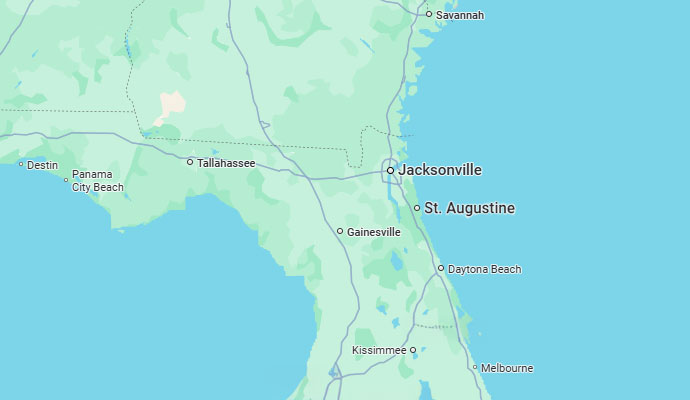
Free Safe & Sound 16-point inspection. Serving Duval and St. Johns County, Northeast Florida — Jacksonville, Nocatee, Ponte Vedra, St. Augustine, Fleming Island, Mandarin, World Golf Village, Palencia, and surrounding communities.








Garage Door Problems?
We turn "Uh-Oh" into
"ALL GOOD"
Is your garage door acting up? Don't worry, we've got you covered! Our expert technicians are here to diagnose and fix any garage door issues you may be experiencing. From broken springs to malfunctioning openers, the most likable techs you will ever meet will handle it all with precision and care.
Service Area
- Atlantic Beach
- Bartram Park
- Doctors Inlet
- Eagle Harbor
- Elkton
- Fleming Island
- Fleming Island Plantation
- Fruit Cove
- Green Cove Springs
- Hastings
- Jacksonville
- Jacksonville Beach
- Julington Creek Plantation
- Keystone Heights
- Lake Geneva
- Middleburg
- Neptune Beach
- Nocatee
- Oakleaf Plantation
- Orange Park
- Palm Coast
- Penney Farms
- Ponte Vedra
- Ponte Vedra Beach
- River Town
- Saint Augustine
- Saint Johns
- Sawgrass
- World Golf Village
